Introduction to Gundruk
Gundruk is one of those traditional foods that quietly carries centuries of culture, nutrition, and practicality in every bite. Originating from the Himalayan regions—particularly Nepal gundruk is a naturally fermented leafy green vegetable dish that has become a staple in rural households. At first glance, it might look simple, even humble, but its flavor profile and health benefits tell a much richer story.
What makes gundruk especially fascinating is how it reflects the ingenuity of mountain communities. In regions where fresh vegetables are not always available year-round, fermentation became a natural solution. Instead of letting excess greens go to waste, people developed a method to preserve them while enhancing their nutritional value. Over time, this preservation technique evolved into a culinary tradition that is still widely practiced today.
In modern times, gundruk is no longer confined to remote villages. It has found its way into urban kitchens and even international menus. Food enthusiasts, nutritionists, and chefs are increasingly recognizing its value—not just as a cultural dish, but as a superfood. This article explores everything you need to know about , from its origins and preparation to its health benefits and global appeal.
The History and Cultural Significance of Gundruk
Gundruk has deep roots in the cultural fabric of Himalayan societies. It is not just food; it is a reflection of resilience and adaptation. In mountainous regions where harsh winters and limited agricultural cycles are common, preserving food was essential for survival. emerged as a solution that was both practical and sustainable.
Historically, families would harvest leafy greens such as mustard leaves, radish leaves, and cauliflower leaves during peak seasons. Instead of consuming them all at once, they would ferment the surplus. This practice ensured a steady supply of vegetables even during off-seasons. Over generations, the technique was refined and passed down as a cherished tradition.
Beyond its practical use, gundruk holds cultural importance. It is often served during family gatherings, festivals, and traditional meals. In many households, the preparation of is a communal activity, bringing people together. It represents not just nourishment, but also heritage and identity, connecting modern generations to their ancestors.
Ingredients and Traditional Preparation Method
The beauty of gundruk lies in its simplicity. It requires only a few ingredients, yet the process transforms them into something extraordinary. Typically, the leaves used include mustard greens, radish leaves, and cauliflower leaves. These are readily available in Himalayan regions and are known for their robust flavor.
The preparation process begins with washing and wilting the leaves. Once they are slightly dried, they are crushed or bruised to release natural juices. This step is crucial because it initiates the fermentation process. The leaves are then packed tightly into a container—traditionally an earthen pot—and left to ferment for several days.
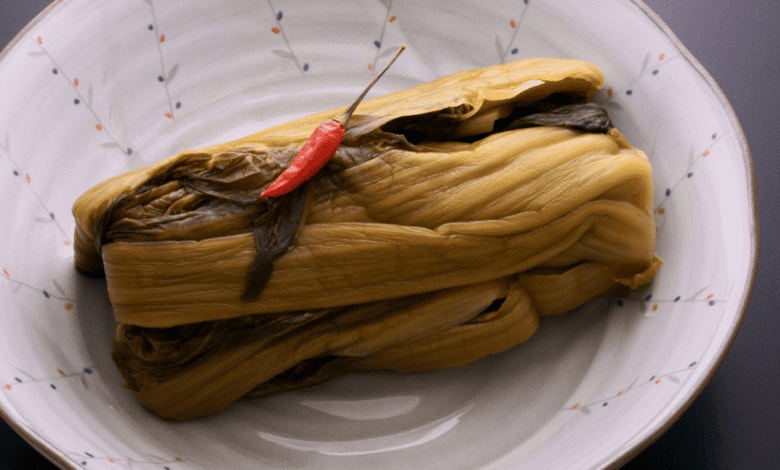
After fermentation, the leaves are sun-dried. This drying process not only preserves the gundruk but also intensifies its flavor. The result is a slightly sour, earthy ingredient that can be stored for months. Despite the simplicity of the method, achieving the perfect balance of taste requires experience and attention to detail.
The Science Behind Fermentation
Fermentation is what gives gundruk its unique character. At its core, fermentation is a natural process where beneficial microorganisms break down sugars into simpler compounds. In the case of lactic acid bacteria play a key role. These bacteria create an acidic environment that preserves the food and prevents harmful microbes from growing.
This process not only extends the shelf life of the greens but also enhances their nutritional profile. Fermentation increases the availability of vitamins and minerals, making them easier for the body to absorb. It also introduces probiotics, which are beneficial for gut health.
What is particularly interesting is how traditional methods align with modern science. Long before scientific explanations existed, Himalayan communities understood the benefits of fermentation through observation and experience. Today, researchers continue to study fermented foods like gundruk for their potential health advantages.
Nutritional Value of Gundruk
Gundruk is often referred to as a superfood, and for good reason. It is packed with essential nutrients while being low in calories. The fermentation process enhances its nutritional value, making it a powerhouse of health benefits.
One of its key strengths is its high fiber content. Fiber plays an important role in digestion and helps maintain a healthy gut. Additionally, gundruk contains vitamins such as vitamin C and vitamin K, which support immune function and bone health. The presence of iron and other minerals makes it particularly beneficial for individuals with nutritional deficiencies.
Another significant advantage is its probiotic content. These beneficial bacteria contribute to a balanced gut microbiome, which is increasingly linked to overall health. Regular consumption of fermented foods like can improve digestion, boost immunity, and even support mental well-being.
Culinary Uses of Gundruk
incredibly versatile in the kitchen. Its tangy, slightly sour flavor makes it a unique addition to a variety of dishes. One of the most popular ways to enjoy is in a soup, often referred to as ko jhol.” This dish combines gundruk with spices, tomatoes, and sometimes potatoes, creating a comforting and flavorful meal.
Another common preparation is achar, a type of pickle. In this form, gundruk is mixed with onions, chilies, and spices, resulting in a bold and spicy side dish. It pairs well with rice and lentils, forming a complete and satisfying meal.
Modern chefs have also started experimenting with . It is being incorporated into fusion dishes, salads, and even snacks. Its distinct taste adds depth and complexity, making it a favorite among those looking to explore new flavors.
Health Benefits of Gundruk
The health benefits of extend far beyond basic nutrition. Its probiotic content supports digestive health by promoting the growth of beneficial bacteria in the gut. This can help prevent digestive issues such as bloating and constipation.
Gundruk is also known for its immune-boosting properties. The vitamins and antioxidants it contains help the body fight off infections and maintain overall health. Regular consumption can contribute to better resilience against common illnesses.
Additionally, may support heart health. Its low fat content and high levels of beneficial compounds make it a heart-friendly food. Some studies on fermented foods suggest they can help regulate cholesterol levels, although more research is needed specifically .
Gundruk in Modern Times
While has its roots in tradition, it is gaining popularity in modern culinary circles. With the growing interest in fermented foods, people around the world are discovering its unique qualities. It is now available in packaged forms, making it accessible beyond its region of origin.
Urban lifestyles have also influenced how gundruk is prepared and consumed. While traditional methods are still valued, many people are experimenting with quicker fermentation techniques and new recipes. This evolution ensures that remains relevant in today’s fast-paced world.
Social media and food blogs have played a role in popularizing As more people share their experiences and recipes, the dish continues to gain recognition. It is no longer just a local specialty—it is becoming a global culinary phenomenon.
Sustainability and Environmental Impact
Gundruk is a great example of sustainable food practices. It utilizes leafy greens that might otherwise go to waste, reducing food loss. The fermentation and drying processes require minimal energy, making it an environmentally friendly option.
In addition, supports local agriculture. By using locally grown vegetables, it reduces the need for transportation and preserves traditional farming practices. This aligns with the growing emphasis on sustainable and locally sourced foods.
As the world looks for ways to address food security and environmental challenges, traditional foods like gundruk offer valuable insights. They demonstrate how simple, time-tested methods can contribute to a more sustainable food system.
Conclusion
Gundruk is much more than a fermented vegetable dish—it is a symbol of tradition, innovation, and sustainability. From its origins in the Himalayan regions to its growing global recognition, it represents the perfect blend of culture and nutrition.