What Is Dondurma?
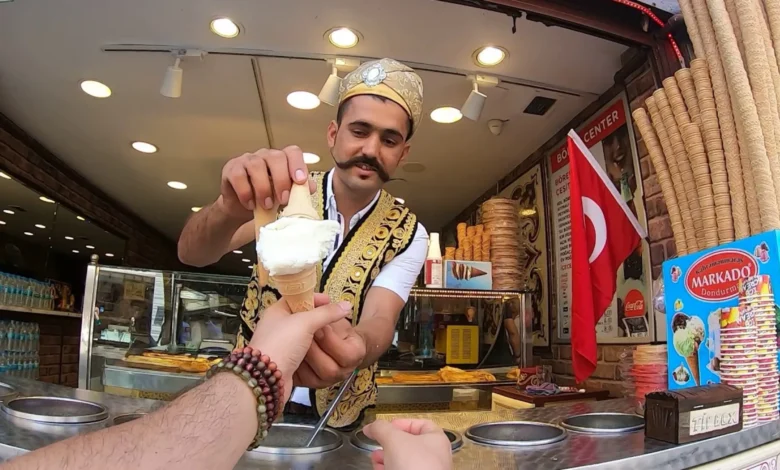
When people first see dondurma being served, they often think it is just another form of ice cream. Then the vendor starts spinning it around on a long metal stick, stretching it like melted cheese, flipping cones upside down, and playfully teasing customers before finally handing over the treat. That moment usually changes everything. Dondurma is not ordinary ice cream. It is one of the most unique frozen desserts in the world, famous for its chewy texture, resistance to melting, and entertaining style of serving.
Dondurma originates from Turkey and has deep roots in the country’s culinary history. Unlike standard ice cream, it contains two very special ingredients: salep and mastic. Salep is a flour made from wild orchid tubers, while mastic is a resin harvested from trees. Together, these ingredients create the elastic texture that makesfamous across the globe.
The word “dondurma” itself comes from the Turkish verb ” which means “to freeze.” While freezing is obviously part of the process, the final product is anything but stiff or brittle. Instead, becomes thick, stretchy, and surprisingly durable. In fact, it melts far more slowly than regular ice cream, making it ideal for warm climates and busy street markets.
Today, dondurma is recognized far beyond Turkey. Travelers search for it in bazaars, food festivals, and dessert shops from Europe to the Middle East and even North America. Social media videos showing Turkish vendors performing tricks with have also helped spread its popularity. What was once a regional specialty is now considered one of the most recognizable frozen desserts in the world.
Still, despite its international fame, authentic remains closely tied to Turkish tradition. The true experience is not only about flavor. It is about texture, craftsmanship, history, and the joyful interaction between vendor and customer.
The Origins and History of Dondurma
The history of dondurma goes back hundreds of years, particularly to the southeastern region of Turkey. Historians and culinary experts often trace its origins to the city of Kahramanmaraş, a place still strongly associated with authentic Turkish ice cream today. Because of this connection, traditional is sometimes called “Maraş ice cream.”
Kahramanmaraş became the heart of dondurma production largely because of its climate and access to mountain herbs and orchids. Local dairy farmers used goat milk from animals grazing in the nearby mountains, which gave the ice cream a richer and more aromatic flavor. Over time, local producers discovered that salep created an unusually elastic consistency when mixed into frozen milk.
Centuries ago, refrigeration technology did not exist, so creating frozen desserts required ingenuity. Snow and ice collected from mountains were stored underground and used to preserve foods during warmer months. Turkish dessert makers combined these cooling methods with milk, sugar, salep, and mastic to create a frozen treat unlike anything else available at the time.
As the Ottoman Empire expanded, spread throughout the empire’s territories. Travelers, merchants, and royal kitchens contributed to the dessert’s growing popularity. Wealthy households and palace chefs refined recipes, while street vendors brought dondurma to ordinary citizens. Eventually, the dessert became a common feature at festivals, markets, and celebrations.
Modern dondurma continues to honor these traditions. Many Turkish families still view authentic production as an art form passed from generation to generation. Even with industrial manufacturing and international franchises, handmade remains highly respected because of the skill required to achieve the perfect texture.
What Makes Dondurma Different From Regular Ice Cream?
The first thing most people notice about dondurma is its texture. Unlike ordinary ice cream, which melts quickly and feels creamy but soft, dondurma is dense, chewy, and stretchy. Some people compare it to frozen taffy or elastic pudding, though the experience is truly unique.
The secret lies primarily in salep. This orchid-based flour acts as a natural thickener and stabilizer. When heated and mixed into milk, salep creates a structure that gives dondurma its famous elasticity. It also helps the dessert resist melting, which is why vendors can perform tricks without the ice cream immediately dripping everywhere.
Mastic adds another layer of uniqueness. This aromatic resin gives dondurma a subtle pine-like flavor and contributes to the chewy consistency. While the flavor may seem unusual to first-time tasters, many people quickly grow to love its refreshing and slightly herbal quality.
Another major difference is the production method. Traditional dondurma is churned slowly and repeatedly stretched using long paddles. This process creates a thick, sticky structure that standard ice cream machines usually cannot replicate. The final result is heavier and denser than Western-style ice cream.
Dondurma is also typically served at a slightly warmer temperature than regular ice cream. Because it does not melt as quickly, vendors can keep it soft enough to stretch while maintaining its structure. This balance is difficult to master and requires considerable experience.
Even nutritionally, dondurma can differ from regular ice cream. Some traditional recipes use less cream and rely more heavily on milk and stabilizing ingredients. Although it is still a dessert, the texture often makes it feel more filling and satisfying than conventional ice cream.
Traditional Ingredients Used in Dondurma
Authentic dondurma relies on a surprisingly small number of ingredients, but each one plays an essential role. The quality of these ingredients determines whether the final product truly captures the essence of traditional Turkish ice cream.
The most important ingredient is salep. Genuine salep comes from wild orchids native to parts of Turkey and neighboring regions. Producing salep is labor-intensive because orchid tubers must be harvested, dried, and ground into powder. Due to environmental concerns and limited supply, authentic salep has become increasingly rare and expensive.
Goat milk is another key component in traditional recipes. Milk from goats grazing on mountain herbs develops a distinctive richness and aroma that complements the salep beautifully. While some modern versions use cow milk, many purists insist that goat milk provides the most authentic flavor profile.
Mastic, harvested mainly from mastic trees in the Mediterranean region, gives dondurma its subtle resinous taste. Although used sparingly, it contributes significantly to both texture and aroma. Without mastic, the ice cream loses some of its signature character.
Sugar naturally sweetens the mixture, though traditional dondurma is often less sugary than commercial ice cream products. This allows the dairy and aromatic ingredients to stand out more clearly. Some recipes also include vanilla or regional flavorings, but classic dondurma usually keeps things relatively simple.
Modern manufacturers sometimes replace traditional ingredients with stabilizers, gums, or artificial flavorings to reduce costs. While these products may imitate the texture, experienced Turkish dessert lovers can usually tell the difference immediately. Authentic dondurma depends heavily on craftsmanship and ingredient quality rather than shortcuts.
The Famous Turkish Ice Cream Vendors
One of the biggest reasons dondurma became internationally famous is the unforgettable performance associated with serving it. Turkish ice cream vendors are known for playful tricks that turn buying dessert into a form of entertainment.
These vendors often wear traditional Ottoman-style clothing and use long metal paddles to handle the stretchy ice cream. Customers may think they are about to receive their cone, only for the vendor to pull it away at the last second. Cones get flipped upside down, spun around, hidden, or balanced in impossible ways before finally being handed over.
The performance is not random. It actually demonstrates the elasticity and strength of authentic dondurma. Ordinary ice cream would fall apart instantly during these tricks, but dondurma’s dense structure allows vendors to manipulate it dramatically without losing control.
Tourists often gather around these stalls not just to eat but to watch the show. In many cities, videos of Turkish ice cream tricks have become popular attractions on social media platforms. Millions of viewers worldwide have watched vendors confuse, surprise, and amuse customers during the serving process.
Despite the humor, skilled dondurma vendors take their craft seriously. Mastering the texture, timing, and performance requires years of practice. The best vendors know exactly how to keep customers entertained while still delivering high-quality ice cream.
In Turkey, the interaction between vendor and customer is considered part of the cultural experience. Dondurma is not meant to be rushed. The laughter, anticipation, and playful atmosphere are all part of what makes it memorable.
Popular Dondurma Flavors
Although traditional dondurma often focuses on simple milk-based flavors, modern varieties now include a wide range of creative options. Still, the classics remain extremely popular because the texture itself is usually the main attraction.
Vanilla is among the most common flavors and provides a perfect introduction for first-time tasters. The creamy base allows the salep and mastic to shine without overwhelming the palate. Many people are surprised by how rich and aromatic plain dondurma can taste.
Pistachio is another beloved flavor, especially in Turkey and the Middle East. Finely ground pistachios add nuttiness and vibrant color while complementing the chewy consistency beautifully. Turkish pistachios are particularly prized for their intense flavor.
Chocolate versions have also become popular globally. The dense texture of dondurma creates an almost fudge-like chocolate experience that differs significantly from regular chocolate ice cream. Some shops even add chocolate chips or syrup for extra richness.
Fruit flavors such as strawberry, cherry, and lemon are common during warmer months. Because dondurma melts slowly, fruit-based versions remain refreshing without turning watery too quickly. Citrus flavors, in particular, pair nicely with the slight herbal notes from the mastic.
Modern dessert shops continue experimenting with flavors like coffee, caramel, hazelnut, rosewater, saffron, and even baklava-inspired varieties. While traditionalists may prefer the classic recipes, innovation has helped dondurma appeal to international audiences with different tastes.
Dondurma Around the World
Over the past few decades, dondurma has expanded far beyond Turkey. International tourism, food television, and social media have introduced millions of people to the dessert’s unusual texture and entertaining presentation.
In many major cities around the world, Turkish dessert shops now feature dondurma as a signature item. Travelers visiting places like London, Dubai, New York, and Berlin can often find Turkish ice cream vendors performing their famous tricks in busy tourist areas.
Middle Eastern countries have particularly embraced dondurma because of shared culinary traditions and regional familiarity with mastic-based desserts. In some areas, local variations developed using slightly different ingredients or serving methods.
Asian markets have also shown growing interest in stretchy ice cream products. Consumers in countries like South Korea and Japan often appreciate unusual textures in desserts, making dondurma an appealing novelty with strong long-term potential.
Global popularity has also inspired large commercial brands to produce packaged versions of Turkish ice cream. While these products help introduce dondurma to wider audiences, many enthusiasts still argue that authentic freshly prepared dondurma offers a completely different experience.
As international interest grows, there is also increasing awareness about protecting traditional methods and ingredients. Some Turkish producers worry that overly commercialized versions may dilute the dessert’s cultural identity. Others believe global exposure helps preserve and celebrate Turkish culinary heritage.
How Dondurma Is Made
Making authentic dondurma requires patience, precision, and physical effort. Unlike standard ice cream production, which often relies heavily on machines, traditional a preparation involves extensive manual work.
The process begins with heating milk and sugar together. Salep is gradually added while the mixture is stirred continuously to prevent clumping. Because salep thickens quickly, achieving the right consistency requires careful temperature control.
Mastic is then incorporated into the mixture. Some producers grind it into powder first, while others dissolve it slowly during mixing. The aroma released during this stage is one of the defining characteristics of authentic preparation.
After the mixture cools, it is churned slowly while being stretched repeatedly. Traditionally, this was done using large metal paddles and long containers. The stretching process helps create the elastic texture that distinguishes dondurma from ordinary ice cream.
Freezing also differs from conventional methods. Dondurma is typically frozen more gradually while continuing to be manipulated and folded. This creates a dense structure rather than the airy texture common in Western-style ice cream.
Serving authentic dondurma can also be physically demanding because the product is much thicker than regular ice cream. Vendors often use special knives or paddles to cut and shape portions before handing them to customers.
The Cultural Importance of Dondurma in Turkey
In Turkey, dondurma is more than a dessert. It represents regional identity, craftsmanship, hospitality, and culinary heritage. Many Turkish families associate it with childhood memories, summer evenings, festivals, and social gatherings.
Street vendors selling dondurma are a familiar sight in many Turkish cities and tourist destinations. The sound of bells, playful banter, and crowds gathering around the stalls create an atmosphere that feels festive and welcoming.
Dondurma also reflects the Turkish appreciation for food as an experience rather than simply nourishment. The interaction between customer and vendor matters almost as much as the dessert itself. Humor, performance, and tradition combine into something memorable and culturally meaningful.
In regions like Kahramanmaraş, dondurma production remains a source of pride and local identity. Some families have produced the dessert for generations, preserving techniques that date back centuries. Competitions and festivals celebrating Maraş ice cream continue to attract visitors from around the world.
Turkish cuisine overall is known for balancing rich history with vibrant modern culture, and dondurma perfectly embodies that balance. It honors ancient ingredients and traditional craftsmanship while continuing to evolve and adapt for contemporary audiences.
Why Dondurma Continues to Fascinate People
Part of dondurma’s lasting appeal comes from its ability to surprise people. In a world where many desserts feel familiar and predictable, offers something genuinely different. Its texture alone is enough to spark curiosity and conversation.
The entertainment factor also plays a major role. Watching a skilled vendor manipulate stretchy ice cream with dramatic flair turns an ordinary snack into a shared social experience. People remember the laughter and interaction just as much as the flavor itself.
Another reason for dondurma’s popularity is authenticity. Many travelers today seek foods with strong cultural roots and unique preparation methods.feels deeply connected to Turkish tradition, giving it an identity that mass-produced desserts often lack.
Social media has amplified this fascination enormously. Videos of Turkish ice cream tricks regularly go viral because they are visually engaging, funny, and instantly recognizable. Even people who have never tasted dondurma often know exactly what it looks like.
Most importantly, dondurma succeeds because it is genuinely delicious. Beyond the tricks and novelty, it offers a rich, creamy, aromatic dessert experience unlike anything else. The balance of chewiness, sweetness, and subtle herbal flavor keeps people coming back long after the performance ends.
Conclusion
Dondurma is far more than a frozen dessert. It is a symbol of Turkish culinary artistry, cultural tradition, and joyful human interaction. From its origins in Kahramanmaraş to its rise as a worldwide sensation, has captured attention through its remarkable texture, rich history, and unforgettable serving style.