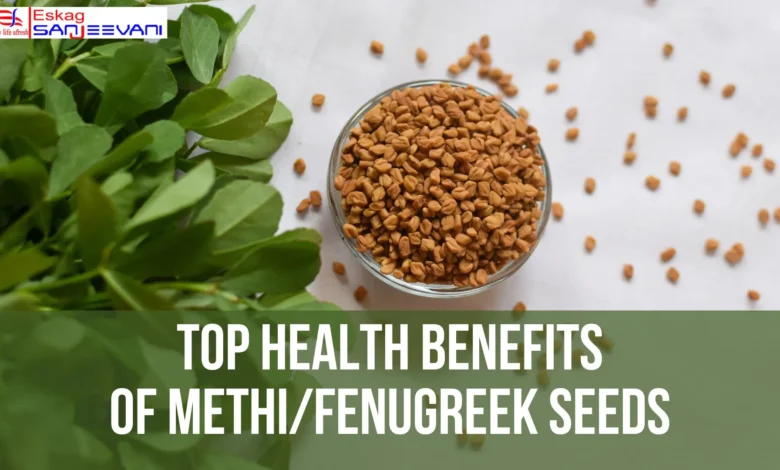
Introduction to Fenugreek
Fenugreek, scientifically known as Trigonella foenum-graecum, is one of those remarkable herbs that has quietly stood the test of time. Used for centuries across various cultures, it has found its place in kitchens, medicine cabinets, and even beauty routines. Whether you know it as a spice, a supplement, or a natural remedy, fenugreek is far more versatile than most people realize.
At first glance,may seem like just another ingredient in your spice rack. Its seeds are small, golden-brown, and slightly bitter in taste, while the leaves are aromatic and often used fresh or dried. But beyond its culinary appeal lies a treasure trove of health benefits and historical significance. From ancient Egypt to modern wellness trends, fenugreek has consistently proven its value.
Today, is gaining renewed attention, especially among those who prefer natural remedies and holistic health approaches. With growing interest in herbal medicine and clean living, this humble plant is stepping into the spotlight once again. In this article, we’ll explore everything you need to know about fenugreek—its history, benefits, uses, and why it deserves a place in your daily life.
Historical Significance of Fenugreek
stretches back thousands of years, making it one of the oldest known medicinal plants. Ancient civilizations such as the Egyptians, Greeks, and Romans all utilized fenugreek for various purposes. In ancient Egypt, it was even used in the embalming process, highlighting its importance in both life and death rituals.
The Greeks valued fenugreek for its medicinal properties and often used it as animal feed to strengthen livestock—hence the name “foenum-graecum,” which means “Greek hay.” Over time, its benefits for humans became more widely recognized, and it began to be used in treating digestive issues, inflammation, and general weakness.
In traditional systems like Ayurveda and Traditional Chinese Medicine, fenugreek has long been considered a powerful healing herb. It was commonly prescribed for balancing hormones, improving digestion, and boosting overall vitality. Its enduring presence in these ancient practices speaks volumes about its effectiveness and reliabilit
One of the standout components of fenugreek is its high fiber content, particularly soluble fiber. This type of fiber plays a crucial role in digestion and helps regulate blood sugar levels. It also contributes to a feeling of fullness, which can be beneficial for weight management.
Additionally, fenugreek contains bioactive compounds such as saponins, flavonoids, and alkaloids. These compounds are responsible for many of its health benefits, including anti-inflammatory, antioxidant, and cholesterol-lowering effects. With such a rich nutritional profile, it’s no surprise that fenugreek is often considered a superfood.
Health Benefits of Fenugreek
One of the most well-researched benefits of fenugreek is its ability to help manage blood sugar levels. Studies have shown that consuming seeds can improve insulin sensitivity and reduce fasting blood glucose levels, making it particularly beneficial for individuals with diabetes.
The soluble fiber in slows down the absorption of carbohydrates in the digestive tract. This helps prevent sudden spikes in blood sugar levels after meals. For those looking to maintain stable energy levels throughout the day, can be a valuable dietary addition.
Incorporating nto your daily routine—whether through soaked seeds, powder, or supplements—may contribute to better long-term glucose control. However, it’s always wise to consult a healthcare professional before making significant dietary changes, especially for medical conditions.
2. Aids Digestion
Fenugreek has long been used as a natural remedy for digestive issues. Its high fiber content promotes healthy bowel movements and helps prevent constipation. It also soothes the digestive tract, making it useful for conditions like acid reflux and gastritis.
The mucilage in fenugreek seeds forms a gel-like substance when soaked in water. This coating effect helps protect the lining of the stomach and intestines, reducing irritation and inflammation. It’s particularly beneficial for those with sensitive digestive systems.
Regular consumption of can improve overall gut health and support the growth of beneficial bacteria. A healthy gut is essential for proper nutrient absorption and immune function, making fenugreek an excellent addition to your wellness routine.
Enhances Lactation in Nursing Mothers
Fenugreek is widely known as a natural galactagogue, meaning it helps increase milk production in breastfeeding mothers. This benefit has been recognized for centuries and is still commonly recommended today.
The herb works by stimulating sweat production, and since the mammary glands are modified sweat glands, this leads to increased milk supply. Many nursing mothers report noticeable improvements within a few days of using fenugreek.
While it is generally considered safe, it’s important for new mothers to use fenugreek under medical guidance. Dosage and individual response can vary, so professional advice ensures both mother and baby remain healthy.
Fenugreek for Hair and Skin Care
Fenugreek isn’t just beneficial for internal health—it’s also a powerful ally for beauty care. When used topically, it can work wonders for both hair and skin.
For hair, is known to reduce dandruff, strengthen roots, and promote growth. The proteins and nicotinic acid in the seeds nourish the scalp and repair damaged hair follicles. A simple paste made from soaked seeds can be applied as a hair mask for noticeable results.
When it comes to skin, fenugreek’s anti-inflammatory and antibacterial properties make it effective in treating acne and skin irritation. It can also help reduce signs of aging by improving skin elasticity and hydration.
Incorporating fenugreek into your beauty routine is both cost-effective and natural, offering a chemical-free alternative to many commercial products.
Culinary Uses of Fenugreek
Fenugreek plays a prominent role in various cuisines, particularly in South Asian, Middle Eastern, and Mediterranean cooking. Both the seeds and leaves are used, each offering a distinct flavor profile.
The seeds have a slightly bitter, nutty taste and are often used in spice blends, pickles, and curries. When roasted, their bitterness mellows, adding depth to dishes. Ground fenugreek is also a common ingredient in spice mixes.
The leaves, known as “methi,” are used fresh or dried. Fresh leaves are often added to flatbreads, vegetables, and lentil dishes, while dried leaves (kasuri methi) are used as a seasoning to enhance flavor.
Beyond taste, fenugreek also contributes nutritional value to meals, making it a functional ingredient that supports both flavor and health.
Different Forms of Fenugreek
Fenugreek is available in several forms, making it easy to incorporate into your daily routine. The most common forms include seeds, powder, capsules, and tea seeds can be soaked overnight and consumed on an empty stomach for maximum benefits. This method is especially popular for improving digestion and blood sugar control. The soaking process also reduces bitterness.
Powdered is convenient and can be added to smoothies, soups, or warm water. Capsules are ideal for those who prefer a tasteless option, especially when using for medicinal purposes.
tea is another simple way to enjoy its benefits. Steeping the seeds in hot water creates a soothing drink that supports digestion and relaxation.
Potential Side Effects and Precautions
While offers numerous benefits, it’s important to use it responsibly. Like any natural remedy, it can have side effects if consumed in excessive amounts.
Some individuals may experience mild digestive discomfort, such as bloating or diarrhea. Additionally, fenugreek can lower blood sugar levels, which may be problematic for those already taking medication for diabetes.
Pregnant women are generally advised to avoid as it may stimulate uterine contractions. Allergic reactions are rare but possible, especially in individuals with legume allergies.
As a rule of thumb, moderation is key. Consulting a healthcare professional before starting any new supplement is always a smart approach.
How to Incorporate Fenugreek into Your Daily Life
Adding to your routine doesn’t have to be complicated. Start small and gradually increase your intake based on your comfort and needs.
You can begin your day with soaked seeds or a warm cup of Adding a pinch of powder to your meals is another easy way to benefit from its properties without altering taste significantly.
For those interested in beauty applications, a weekly hair or face mask using can yield noticeable improvements. Consistency is key, so regular use will bring the best results.
Experimenting with different forms and recipes can help you find what works best for your lifestyle. The versatility of fenugreek makes it easy to adapt to various routines.
Conclusion: Why Fenugreek Deserves a Place in Your Life
Fenugreek is more than just a traditional herb—it’s a powerful, multi-purpose ingredient that bridges the gap between food and medicine. Its long history, combined with modern scientific support, makes it a reliable choice for those seeking natural health solutions.