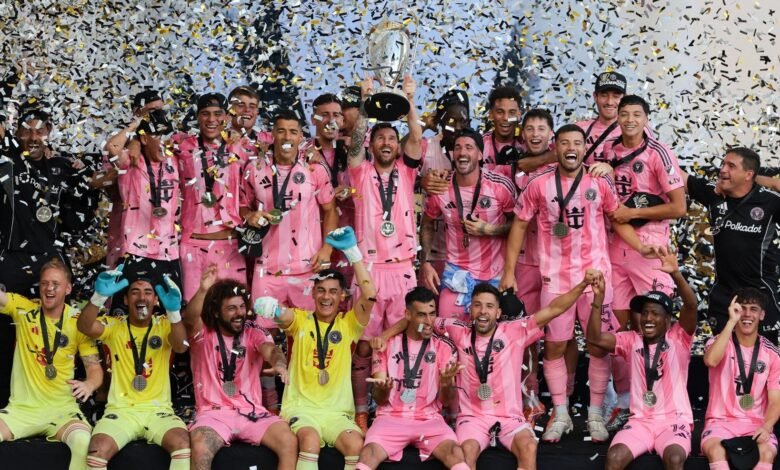
intoduction to The Rise of Inter Miami in Modern Football
When people talk about the rapid growth of soccer in the United States, one club is now impossible to ignore: Inter Miami CF. In only a few years, the club has transformed from an ambitious expansion team into one of the most talked-about football organizations in the world. From celebrity ownership to superstar signings and a growing international fanbase, Inter Miami represents far more than a typical Major League Soccer franchise.
The club officially entered Major League Soccer in 2020, but the story began much earlier. Former football icon David Beckham played a major role in bringing the dream to life. When Beckham joined MLS years earlier as a player, part of his agreement included the opportunity to purchase a future expansion franchise at a reduced price. At the time, many people viewed it as a clever business move, but few expected the resulting club to become such a massive global phenomenon.
Inter Miami quickly became associated with ambition, glamour, and entertainment. The club’s branding alone stood out immediately. The sleek black-and-pink colors, stylish logo, and strong Miami identity made the team feel modern and unique compared to many traditional football clubs. Even before major trophies arrived, the organization succeeded in building excitement around its image and long-term vision.
Another reason for the club’s popularity is its location. Miami is already one of the most internationally recognized cities in the United States. Known for nightlife, beaches, music, fashion, and multicultural energy, the city provides a perfect backdrop for a football club aiming to attract worldwide attention. Inter Miami embraced that identity from the beginning, combining sports with entertainment culture in a way that feels distinctly American yet deeply connected to global football traditions.
The arrival of world-famous players elevated the club even further. Soccer fans around the globe suddenly began following MLS more closely, and Inter Miami became the face of that transformation. Attendance numbers grew, merchandise sales exploded, and social media engagement reached incredible levels. The club became more than a team; it evolved into a worldwide sports brand.
Today, Inter Miami is often seen as a symbol of the changing football landscape in North America. The organization has shown that American soccer clubs can attract international stars, generate worldwide media attention, and compete for relevance in the broader football conversation. Whether someone loves or criticizes the hype surrounding the club, there is no denying that Inter Miami has changed how people view soccer in the United States.
The Foundation and Early Challenges of Inter Miami
Building a professional football club from scratch is never easy. While Inter Miami enjoyed enormous publicity from the beginning, the organization still faced many challenges during its early years. Creating infrastructure, signing players, establishing a coaching philosophy, and building a loyal fan culture required significant effort and patience.
One of the earliest hurdles involved securing a stadium and permanent facilities. Like many expansion teams, Inter Miami had to navigate political discussions, construction planning, and community negotiations. Temporary solutions helped the club begin competing, but fans eagerly anticipated long-term stadium developments that could give the organization a permanent home worthy of its ambitions.
The team also faced difficulties on the field during its first seasons. Early performances were inconsistent, and critics questioned whether the organization relied too heavily on marketing instead of football fundamentals. Building chemistry among players takes time, especially for a new club without established traditions or long-term systems. Coaches and executives had to balance immediate expectations with sustainable growth.
Recruitment became another important topic. The club wanted recognizable names but also needed younger talent capable of long-term development. Striking that balance is difficult for any organization. Some signings worked well, while others struggled to meet expectations. Like many young clubs, Inter Miami experienced roster instability as management searched for the right formula.
Despite these obstacles, the club maintained strong public interest. The ownership group continued investing in facilities, youth development, and international scouting. Rather than panicking during difficult stretches, the organization stayed focused on building a globally respected football project. That patience eventually began producing results.
Supporters also played a major role in the club’s survival and growth. Miami’s football fans are passionate and diverse, representing cultures from Latin America, Europe, and beyond. Matchdays quickly developed an energetic atmosphere filled with chants, drums, flags, and nonstop excitement. The growing supporter culture helped create a genuine football identity instead of a purely commercial spectacle.
As the club matured, performances improved and expectations increased. The early struggles became part of the learning process, shaping the organization into a more stable and competitive team. Inter Miami’s journey demonstrated that even a high-profile club must earn success through careful planning, resilience, and continuous improvement.
Lionel Messi and the Transformation of Inter Miami
The moment that changed everything for Inter Miami came when Lionel Messi decided to join the club. Few transfers in football history generated as much global attention. Messi’s arrival was not simply a sports story; it became an international cultural event that captured headlines far beyond the football world.
Before joining Inter Miami, Messi had already achieved legendary status through his performances with FC Barcelona, Paris Saint-Germain, and the Argentina national football team. Many fans assumed he would finish his career in Europe or move to another traditional football powerhouse. Instead, he chose Miami, instantly changing perceptions about MLS and American soccer.
The impact was immediate and extraordinary. Ticket prices skyrocketed, jerseys sold out across multiple countries, and television audiences increased dramatically. Suddenly, Inter Miami matches became must-watch events for sports fans worldwide. Celebrities, athletes, musicians, and influencers began attending games regularly, turning every match into a global spectacle.
Messi’s influence extended beyond marketing. On the field, his technical ability, vision, and leadership transformed the team’s style of play. Players around him improved, confidence grew, and the club began competing at a much higher level. Younger teammates benefited enormously from training alongside one of the greatest footballers in history.
The arrival of former Barcelona teammates also strengthened the project. Experienced stars helped create chemistry and tactical understanding that accelerated the club’s development. Fans appreciated not only the quality of football but also the nostalgia associated with seeing legendary players reunited in Miami colors.
Perhaps most importantly, Messi’s move legitimized MLS in the eyes of many international viewers. For years, critics viewed the league as a retirement destination for aging stars. Messi’s decision suggested something different: that the United States could become a serious and influential part of the global football ecosystem.
The transfer also had economic consequences for the entire league. Sponsorships expanded, international partnerships increased, and global interest in MLS clubs reached unprecedented levels. Inter Miami became the center of that movement, benefiting enormously from the visibility Messi brought to the organization.
Inter Miami’s Playing Style and Tactical Identity
Although star power attracts headlines, successful football clubs still need a clear identity on the pitch. Over time, Inter Miami has worked to develop a style that combines technical quality, attacking creativity, and possession-based football.
The team generally emphasizes ball control and patient buildup play. Midfielders are encouraged to move intelligently, maintain passing rhythm, and create space between defensive lines. This approach reflects influences from European and South American football philosophies, particularly those associated with possession-oriented systems.
Attacking movement is another major feature of the club’s style. Inter Miami often relies on quick combinations, overlapping runs, and creative passing sequences to break down defenses. Skilled forwards and attacking midfielders are given freedom to improvise, making the team entertaining to watch.
Defensively, the club has experienced periods of inconsistency. Like many attack-focused teams, balancing offensive ambition with defensive organization can be difficult. Coaches have worked to improve pressing structures, defensive transitions, and overall discipline without sacrificing creativity.
The presence of experienced international players has helped younger talents understand high-level tactical concepts. Training standards improved significantly as veteran footballers brought knowledge from elite European competitions. This mentorship benefits the club both immediately and in the long term.
Another interesting aspect of Inter Miami’s tactical identity is adaptability. Depending on opponents, the team can adjust formations and strategies. Some matches require aggressive pressing and fast attacks, while others demand patience and defensive control. Modern football increasingly rewards flexibility, and Inter Miami continues evolving in that direction.
Fans appreciate the club’s commitment to entertaining football. While results always matter, supporters also want a team that reflects Miami’s energetic and expressive culture. Inter Miami’s playing style attempts to capture that spirit through creativity, flair, and attacking ambition.
The Business and Branding Power of Inter Miami
Inter Miami is not only a football club; it is also a powerful modern brand. In today’s sports industry, commercial success often goes hand in hand with athletic performance, and Inter Miami has excelled in building global visibility.
The club’s visual identity deserves significant credit. The black-and-pink color scheme immediately stands out in the football world. Merchandise became fashionable even among casual sports fans who may not regularly follow soccer. Jerseys, jackets, hats, and collaborations helped position the brand within lifestyle and fashion culture.
Social media has played a huge role in the club’s popularity. Inter Miami understands modern digital marketing extremely well. The organization produces high-quality content across multiple platforms, helping fans feel connected to players and behind-the-scenes moments. Viral clips, player interactions, and celebrity appearances generate enormous online engagement.
Celebrity culture also contributes to the club’s image. Miami naturally attracts entertainers, musicians, and influencers, many of whom attend matches regularly. These appearances increase visibility and create crossover appeal between sports and entertainment audiences.
Corporate partnerships expanded rapidly after the club gained international recognition. Major companies recognized the marketing potential associated with Inter Miami’s growing audience. Sponsorship agreements, broadcasting opportunities, and merchandise collaborations strengthened the organization financially.
The club also benefits from strong international appeal. Miami’s multicultural population allows Inter Miami to connect naturally with Latin American and global football audiences. Spanish-speaking fans, in particular, have embraced the team enthusiastically because of its cultural connections and international roster.
Importantly, the club’s branding success reflects broader trends in modern sports. Fans increasingly engage with teams not only through match results but also through storytelling, identity, fashion, and digital experiences. Inter Miami understands this reality exceptionally well, making it one of the most marketable football clubs in the Americas.
Youth Development and the Future of Inter Miami
Long-term success in football requires more than signing famous stars. Sustainable clubs invest heavily in youth development, scouting, and infrastructure. Inter Miami has recognized this necessity and continues working to build a strong foundation for the future.
The club’s academy system aims to identify and develop talented young players from the United States and abroad. South Florida is an excellent region for football talent due to its diverse population and deep cultural connection to the sport. Many young athletes dream of eventually representing Inter Miami at the professional level.
Youth development offers several advantages. First, academy players provide affordable long-term talent. Second, locally developed players often feel stronger emotional connections to the club and community. Finally, successful academies can generate transfer revenue when players move to larger international leagues.
Inter Miami has invested in training facilities and coaching resources designed to support player growth. Modern academies focus not only on technical skills but also on nutrition, psychology, education, and physical development. Creating a professional environment helps young players maximize their potential.
The presence of legendary senior players can inspire academy athletes enormously. Young footballers now have opportunities to observe world-class professionals up close, learning valuable habits and standards. This exposure can accelerate development and increase motivation.
The club also faces pressure to balance youth opportunities with immediate expectations. Fans want victories and trophies, which sometimes leads teams to rely heavily on experienced stars. However, sustainable organizations eventually integrate academy players into the first team successfully.
Looking ahead, Inter Miami’s future appears extremely promising. The club has already achieved worldwide recognition in a remarkably short period. If management continues investing wisely in infrastructure, player development, and competitive balance, the organization could remain influential for decades.
Why Inter Miami Matters to Global Football
Inter Miami’s importance goes beyond MLS standings or trophy counts. The club represents a shift in how football operates globally. Traditionally, Europe dominated the sport economically, culturally, and competitively. While that remains true in many ways, Inter Miami has shown that new markets can still reshape football conversations.
The club’s growth demonstrates the increasing globalization of sports entertainment. Fans no longer support teams only because of geographic proximity. Digital platforms allow people from every continent to follow clubs instantly. Inter Miami leveraged this reality effectively, building an international fanbase faster than most expansion franchises ever imagined possible.
The success of the club also highlights the growing importance of the American sports market. The United States offers massive commercial opportunities, advanced media infrastructure, and strong consumer spending. Football organizations around the world recognize this potential, and Inter Miami has become a key example of how soccer can thrive in that environment.
Another important factor is cultural influence. Inter Miami blends football tradition with American entertainment culture in a unique way. Some purists criticize this approach, while others believe it represents the future of global sports marketing. Regardless of opinion, the club undeniably attracts attention.
The organization has also inspired other MLS clubs to think bigger. Ambition levels across the league have increased as teams pursue stronger rosters, better facilities, and larger audiences. Competition improves when clubs invest seriously in growth and innovation.
International perception of MLS continues evolving as well. While the league still faces challenges compared to Europe’s elite competitions, global respect has increased significantly. Inter Miami’s visibility played a major role in that transformation.
Ultimately, Inter Miami matters because it symbolizes possibility. The club proved that a young American team could become globally relevant in an incredibly short time. Through smart branding, ambitious leadership, star power, and cultural momentum, Inter Miami changed expectations for what soccer in the United States can achieve.
Conclusion
Inter Miami CF has become one of the most fascinating stories in modern football. From its ambitious beginnings and early struggles to the arrival of legendary players and worldwide fame, the club’s journey reflects the evolving nature of global soccer.