Nutter Butter: The Peanut Butter Cookie Sandwich That Became an American Favorite

Introduction to Nutter Butter
When people talk about classic peanut butter snacks in America, one name almost always enters the conversation: Nutter Butter. Known for its crunchy texture, creamy peanut butter filling, and peanut-shaped design, Nutter Butter has remained a household favorite for decades. While many cookies rise in popularity and disappear after a few years, this peanut butter sandwich cookie has managed to stay relevant across multiple generations.
What makes Nutter Butter interesting is that it is more than just a snack. For many people, it represents childhood memories, school lunches, road trips, and late-night cravings. The cookie’s recognizable appearance and sweet-salty flavor combination have created a loyal fan base that continues to grow. Whether eaten straight from the package, dipped in milk, or crushed into desserts, it has become part of everyday snacking culture.
Another reason for the brand’s lasting popularity is its simplicity. Nutter Butter does not rely on complicated flavors or trendy ingredients. Instead, it focuses on a flavor combination that rarely fails: peanut butter and cookies. That balance between crunch, sweetness, and creaminess is what keeps people coming back. Over time, the brand has also adapted to modern tastes by introducing mini versions, flavored varieties, and creative social media campaigns.
The cookie is produced by Mondelēz International, one of the largest snack companies in the world. This connection has helped Nutter Butter maintain strong distribution across grocery stores, convenience stores, and online marketplaces. Despite competition from newer snacks, the brand continues to hold a strong position in the cookie market.
Today, Nutter Butter is not just a product sitting on a supermarket shelf. It has become part of pop culture, internet humor, dessert recipes, and nostalgic conversations. Its long history and recognizable identity make it one of the most iconic peanut butter snacks ever created.
The History of Nutter Butter
The story of Nutter Butter began in 1969 when the cookie was officially introduced in the United States. During that period, snack companies were heavily experimenting with sandwich cookies and flavored treats. Peanut butter was already popular, but there were not many cookies fully dedicated to that flavor. Nutter Butter filled that gap perfectly.
From the beginning, the cookie stood out because of its shape. Instead of using a traditional circular sandwich design, the company created a peanut-shaped cookie. That simple decision became a huge branding advantage. Consumers could instantly recognize the product even without reading the packaging. The unique shape made it memorable and visually connected it directly to peanut butter.
During the 1970s and 1980s, the brand expanded rapidly. Families began purchasing it regularly as an affordable snack option. Television advertising also helped increase its popularity. Commercials focused on fun, flavor, and family-friendly enjoyment, which appealed strongly to children and parents alike. Over time, the cookie became associated with lunchboxes, after-school snacks, and casual desserts.
Another important factor in its success was consistency. Many food products change their recipes frequently, but Nutter Butter largely maintained the flavor profile that consumers loved. That familiar taste created trust among buyers. People knew exactly what they were getting every time they opened a package.
As snack culture evolved in the 1990s and 2000s, Nutter Butter adapted without losing its core identity. Mini cookies, bite-sized versions, and seasonal packaging helped the brand remain modern. Instead of abandoning its classic formula, it simply expanded around it. This balance between tradition and innovation helped keep the cookie relevant for younger generations.
Today, Nutter Butter is considered one of the most recognizable peanut butter cookies in America. Its long history proves that sometimes simple ideas can have extraordinary staying power when executed correctly.
Why Nutter Butter Became So Popular
One of the biggest reasons behind Nutter Butter’s success is flavor balance. Peanut butter naturally combines salty, nutty, and creamy notes, while cookies bring sweetness and crunch. When those elements are blended together in sandwich-cookie form, the result becomes highly satisfying. It is a flavor profile that appeals to both children and adults.
Texture also plays a major role. The outer cookies are crisp enough to create a noticeable crunch, while the filling is smooth and creamy. That contrast keeps the eating experience interesting. Many snack experts believe texture is just as important as flavor in food popularity, and Nutter Butter delivers both effectively.
Brand recognition has also helped significantly. The peanut-shaped design is unique and instantly identifiable. Even people who do not regularly buy the cookie often recognize it immediately. In marketing terms, that type of visual identity is extremely valuable because it creates strong consumer memory.
Another factor is nostalgia. Snacks that remain popular for decades often benefit from emotional connections. Adults who enjoyed Nutter Butter as children frequently continue buying it later in life. Some even introduce it to their own children, creating multi-generational loyalty. That emotional attachment can be more powerful than advertising campaigns.
The product’s versatility has also increased its popularity. Nutter Butter is not limited to being eaten alone. People use it in milkshakes, cheesecakes, ice cream toppings, pie crusts, brownies, and homemade desserts. Food bloggers and social media creators regularly feature recipes involving crushed Nutter Butter cookies, helping the brand stay visible online.
Social media has introduced another layer of popularity. In recent years, Nutter Butter developed a strange and humorous internet personality through creative online content. The brand’s unusual and surreal posts attracted younger audiences and sparked viral conversations. Instead of feeling outdated, the cookie suddenly became trendy again among internet users.
All these factors combined explain why Nutter Butter continues to thrive even in a crowded snack market filled with new competitors every year.
The Unique Taste and Texture of Nutter Butter
Taste is the heart of any successful snack product, and Nutter Butter has built its reputation on a very specific flavor experience. The cookie combines sweet biscuit layers with a rich peanut butter filling that creates a satisfying balance between sugar and salt. This combination activates multiple taste preferences at once, making the cookie highly enjoyable.
The peanut butter flavor itself is strong enough to stand out without becoming overwhelming. Some peanut butter snacks taste artificial or excessively sugary, but Nutter Butter manages to maintain a roasted peanut character beneath the sweetness. That slightly nutty depth helps distinguish it from ordinary sandwich cookies.
Texture is equally important. The crisp outer cookies provide structure and crunch, while the filling creates smoothness and softness. This contrast keeps the mouthfeel engaging from the first bite to the last. Food scientists often explain that texture variation can increase consumer satisfaction, and Nutter Butter is a perfect example of that principle in action.
Another interesting detail is the cookie’s shape. Because it resembles a peanut, consumers subconsciously associate the product more strongly with peanut flavor before even tasting it. That design choice enhances the overall eating experience psychologically as well as visually.
The aroma also contributes to the experience. Opening a package releases a sweet roasted peanut scent mixed with baked cookie notes. Smell plays a major role in flavor perception, so this familiar aroma increases anticipation and enjoyment.
Many fans enjoy pairing Nutter Butter with milk, coffee, or ice cream. Milk softens the crunchy cookie layers slightly while enhancing the peanut butter creaminess. Coffee creates a contrast between bitterness and sweetness that many adults appreciate. These pairings show how adaptable the snack can be in different eating situations.
Ultimately, the combination of flavor, texture, aroma, and design creates a snack experience that feels comforting and memorable. That is one reason the cookie has maintained such strong popularity over the years.
Different Nutter Butter Products and Variations
Although the original Nutter Butter sandwich cookie remains the brand’s centerpiece, several variations have been introduced over time. These versions help the company appeal to changing consumer preferences while keeping the core peanut butter identity intact.
One of the most popular alternatives is the mini version. Smaller bite-sized cookies offer convenience and portion flexibility. They are especially popular for parties, lunchboxes, and snacking on the go. Many consumers enjoy the mini format because it feels lighter and easier to eat casually throughout the day.
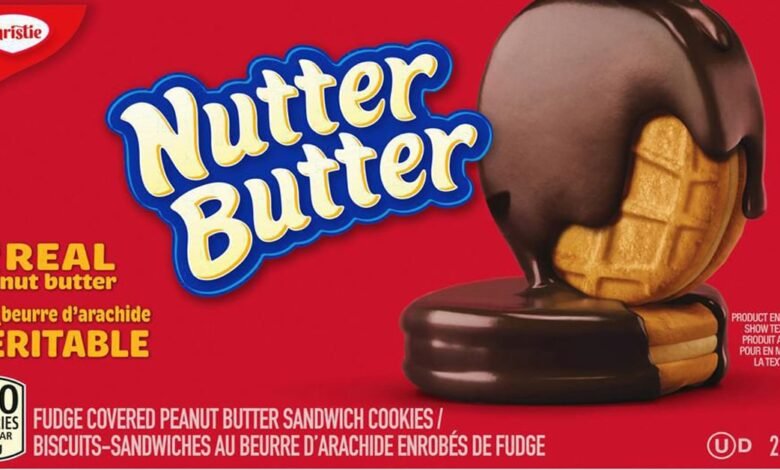
The brand has also experimented with flavored fillings and coated versions. Some limited-edition releases include chocolate-covered Nutter Butter cookies or seasonal flavors designed for holidays. These special editions create excitement among fans and encourage repeat purchases from curious consumers.
Ice cream collaborations have also appeared in various markets. Peanut butter ice cream combined with Nutter Butter pieces creates a dessert experience that appeals strongly to peanut butter lovers. These partnerships help the brand expand beyond the cookie aisle into frozen desserts and specialty treats.
Another growing trend involves baking mixes and recipe integrations. Home bakers often crush Nutter Butter cookies into pie crusts, cheesecake bases, or brownie toppings. Their strong peanut butter flavor makes them especially effective in dessert recipes. Social media platforms like TikTok and Instagram have further boosted these creative uses.
Packaging formats have evolved too. Family-size packs, snack-size portions, and individually wrapped servings now cater to different lifestyles and consumption habits. Modern consumers often prioritize convenience, and these options help the brand stay competitive in today’s fast-paced market.
Despite these variations, the company has been careful not to drift too far from the original formula. The classic peanut-shaped sandwich cookie remains the core identity of the brand. This strategy allows innovation without alienating longtime fans who value familiarity and consistency.
Nutter Butter in Pop Culture and Social Media
Over the years, Nutter Butter has gradually transformed from a simple snack into a recognizable pop culture brand. While older generations remember traditional television commercials, younger audiences often know the brand through social media trends and internet humor.
One of the most fascinating developments has been the brand’s unusual online personality. Its social media accounts became famous for surreal posts, strange humor, and bizarre visuals that felt intentionally chaotic. Instead of using traditional corporate advertising, the brand leaned into internet culture and meme-style communication. Surprisingly, this strategy worked extremely well.
Many users shared screenshots of Nutter Butter posts simply because they found them entertaining or confusing. This organic sharing generated massive attention without relying heavily on conventional advertising methods. In the modern digital age, brands that create conversation often outperform brands that simply promote products directly.
The cookie has also appeared in recipe videos, dessert tutorials, and snack reviews across YouTube, TikTok, and Instagram. Content creators frequently use Nutter Butter in milkshakes, cheesecakes, ice cream sandwiches, and creative desserts. This user-generated content helps keep the brand visible to younger audiences.
Nostalgia plays a strong role in pop culture relevance as well. Many adults associate the cookie with childhood memories, making it a frequent topic in discussions about classic snacks from the past. Nostalgic foods often perform well online because they create emotional engagement and shared memories.
Television shows, movies, and internet discussions occasionally reference Nutter Butter as a recognizable American snack. Even brief appearances can strengthen cultural recognition because the cookie’s unique shape makes it visually memorable.
The brand’s ability to evolve with changing media trends has helped it survive in an increasingly competitive market. Instead of remaining trapped in old-fashioned marketing styles, Nutter Butter adapted to digital culture while preserving its original identity.
Nutritional Information and Ingredients
Like most sweet snack foods, Nutter Butter is designed primarily for enjoyment rather than nutrition. However, many consumers still pay attention to ingredients, calories, and portion sizes when deciding how often to include it in their diet.
The cookie mainly contains wheat flour, sugar, peanut butter, oils, and flavoring ingredients. The peanut butter filling contributes protein and fat, while the cookie layers provide carbohydrates and sweetness. Because peanuts are a major ingredient, the product has a strong nut flavor that appeals to peanut butter fans.
Calorie counts vary depending on serving size, but Nutter Butter is generally considered a moderately indulgent snack. Portion control is important because the combination of sugar and fat can make the cookies easy to overeat. Many people enjoy them occasionally as part of a balanced lifestyle rather than as an everyday health food.
Food allergies are another important consideration. Since the product contains peanuts and wheat, it is unsuitable for individuals with peanut allergies or gluten sensitivities. Consumers should always read packaging carefully to understand ingredient information and allergen warnings.
Over time, snack companies have faced increasing pressure to improve ingredient transparency. Modern consumers often want to know more about preservatives, artificial flavors, and nutritional values. While Nutter Butter remains a classic indulgence, awareness around health-conscious eating has influenced how people consume snacks overall.
Some fans create homemade versions using natural peanut butter, alternative flours, or reduced sugar recipes. These homemade adaptations allow people to enjoy similar flavors while adjusting ingredients according to dietary preferences.
Even though it is not marketed as a health product, Nutter Butter remains popular because people value enjoyment and comfort alongside nutrition. For many consumers, occasional treats are part of a balanced relationship with food.
Creative Ways to Eat Nutter Butter
Although many people enjoy Nutter Butter straight from the package, the cookie can also be used creatively in desserts and snacks. Its strong peanut butter flavor makes it extremely versatile in the kitchen.
One popular method involves crushing the cookies into pie crusts. Cheesecakes and peanut butter pies benefit especially well from the cookie’s flavor profile. The crushed cookie crumbs create a sweet, crunchy base that pairs perfectly with creamy fillings.
Milkshakes are another favorite option. Blending Nutter Butter cookies into vanilla or chocolate ice cream creates a rich peanut butter dessert drink with added crunch and sweetness. Many restaurants and homemade recipe creators use this idea because it is simple yet highly satisfying.
Some people enjoy making ice cream sandwiches using Nutter Butter cookies as the outer layers. Peanut butter ice cream works especially well, although vanilla and chocolate flavors are also common choices. Freezing the sandwiches creates a refreshing dessert with a crunchy texture.
Bakers frequently add crushed Nutter Butter pieces into brownies, cupcakes, and cookies. The peanut butter flavor enhances chocolate desserts particularly well. This combination remains one of the most popular flavor pairings in baking.
Another creative trend involves dipping the cookies in melted chocolate. Chocolate-coated Nutter Butter treats are especially popular during holidays and celebrations. Decorations like sprinkles or crushed nuts can make them even more visually appealing.
Social media has played a major role in spreading these recipe ideas. Platforms filled with food videos and baking tutorials have encouraged fans to experiment with new ways of enjoying classic snacks. As a result, Nutter Butter continues to evolve beyond its original purpose as a simple sandwich cookie.
Conclusion
Nutter Butter has earned its place as one of the most iconic peanut butter snacks in American food culture. Its combination of crunchy cookies, creamy filling, recognizable peanut shape, and nostalgic appeal has allowed it to remain successful for decades.