Introduction to Hungama TV
When it comes to children’s entertainment in India, few channels have managed to capture young audiences as effectively as Hungama TV. Launched in 2004, the channel quickly became a staple in households, offering a mix of animated series, live-action shows, and dubbed international content tailored specifically for kids. Over the years, it has grown from a simple cartoon channel into a cultural phenomenon that shaped the childhood of millions.
What makes Hungama TV unique is its ability to blend global entertainment with local flavor. Unlike many international networks that simply broadcast foreign content, Hungama carefully adapts shows into Hindi and other regional languages. This localization has played a crucial role in its widespread popularity, particularly in smaller towns and cities where English-language programming might not resonate as strongly.
Today, Hungama TV operates under the umbrella of Disney Star (formerly part of UTV Software Communications), which has further strengthened its content quality and reach. With a focus on humor, adventure, and relatable storytelling, the channel continues to evolve while staying true to its core mission—entertaining kids in a fun and meaningful way.
The Evolution of Hungama TV
Hungama TV’s journey began at a time when children’s television in India was dominated by a handful of international players. Channels like Cartoon Network and Disney Channel were already popular, but there was a gap in content that felt truly localized. Hungama stepped in to fill that void.
In its early days, the channel relied heavily on acquired content, including popular Japanese anime and Western cartoons. Shows like Doraemon and Shin Chan became instant hits after being dubbed in Hindi. These programs not only entertained but also introduced Indian audiences to global storytelling styles.
As the channel matured, it began experimenting with original programming. This shift marked a significant milestone, as Hungama transitioned from being a content distributor to a content creator. Original Indian animations and live-action shows started gaining traction, helping the channel build a unique identity separate from its competitors.
Popular Shows That Defined Hungama TV
Hungama TV’s success can largely be attributed to its carefully curated lineup of shows. Over the years, it has aired a variety of programs that have left a lasting impact on viewers.
One of the most iconic shows associated with the channel is Doraemon. The story of a robotic cat helping a young boy navigate life struck a chord with audiences across age groups. Its humor, emotional depth, and relatable situations made it a household favorite.
Another major hit is Shin Chan, known for its mischievous protagonist and quirky humor. While the show has faced occasional criticism for its unconventional comedy, it remains one of the most watched programs on the channel.
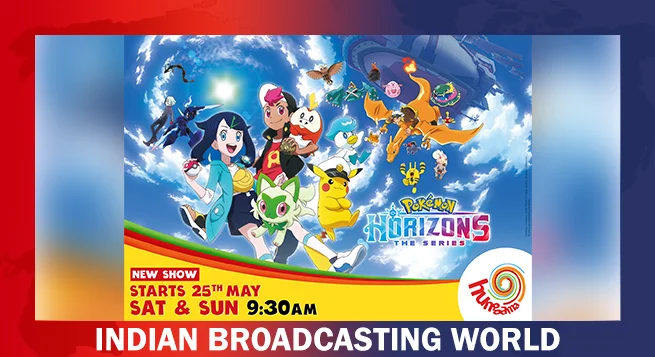
In addition to anime, Hungama has also aired Western cartoons like Pokémon and Dragon Ball Z. These shows introduced Indian audiences to action-packed storytelling and fantasy worlds, expanding the channel’s appeal beyond simple comedy.
The Role of Localization in Success
One of the most critical factors behind Hungama TV’s popularity is its commitment to localization. Instead of merely translating dialogues, the channel adapts cultural references, jokes, and expressions to suit Indian audiences.
For instance, characters in dubbed shows often use colloquial Hindi phrases that resonate with viewers. This approach creates a sense of familiarity and makes the content more engaging. It also ensures that even younger children, who may not understand English, can fully enjoy the programming.
Localization also extends to voice acting. Skilled dubbing artists bring characters to life with performances that often become as iconic as the original versions. In many cases, Indian audiences prefer the dubbed versions over the originals, which is a testament to the quality of adaptation.
Original Programming and Indian Animation
As the demand for homegrown content grew, Hungama TV began investing in original programming. This move not only diversified its content library but also supported the Indian animation industry.
Shows like Roll No 21 and Little Singham showcase Indian characters, settings, and cultural themes. These programs resonate strongly with local audiences, as they reflect familiar environments and values.
Original programming also allows the channel to address topics relevant to Indian children, such as school life, friendships, and family dynamics. This relatability adds an extra layer of connection, making the shows more impactful.
Moreover, by producing its own content, Hungama gains greater creative control. This enables the channel to experiment with new ideas and formats, ensuring that it remains fresh and relevant in a competitive market.
Impact on Indian Pop Culture
Hungama TV has played a significant role in shaping modern Indian pop culture, especially among younger audiences. Many of its shows have become cultural touchstones, influencing language, humor, and even fashion.
Catchphrases from popular shows often make their way into everyday conversations. Characters like Shin Chan and Nobita have become instantly recognizable figures, transcending the boundaries of television.
The channel has also contributed to the growing acceptance of animation as a legitimate form of storytelling in India. What was once considered niche entertainment is now a mainstream phenomenon, thanks in part to Hungama’s efforts.
In addition, Hungama TV has inspired a new generation of creators. Aspiring animators and storytellers often cite the channel as an early influence, highlighting its importance in nurturing creative talent.
Competition and Market Position
Despite its success, Hungama TV operates in a highly competitive environment. Channels like Nickelodeon India and Pogo TV constantly vie for the attention of young viewers.
Each of these channels has its own strengths, but Hungama distinguishes itself through its unique mix of content. While competitors focus heavily on either Western cartoons or original programming, Hungama strikes a balance between the two.
Another advantage is its strong brand identity. Over the years, Hungama has built a loyal audience that continues to tune in despite the rise of digital platforms. This loyalty is a testament to the channel’s ability to consistently deliver quality entertainment.
The Shift to Digital and Streaming
Like many traditional television networks, Hungama TV has had to adapt to the digital revolution. With the rise of streaming platforms, viewing habits have changed significantly, especially among younger audiences.
To stay relevant, Hungama has expanded its presence on digital platforms. Many of its shows are now available on streaming services, allowing viewers to watch their favorite programs anytime, anywhere.
This shift has also opened up new opportunities for content distribution. By leveraging digital platforms, Hungama can reach a global audience, including the Indian diaspora.
At the same time, the channel continues to maintain its television presence, recognizing that many households still rely on traditional TV for entertainment. This dual approach ensures that Hungama remains accessible to a wide range of viewers.
Educational and Social Influence
Beyond entertainment, Hungama TV also plays an educational role. Many of its shows incorporate valuable life lessons, teaching children about friendship, responsibility, and problem-solving.
For example, characters often face challenges that require teamwork and perseverance. These narratives subtly encourage positive behavior and critical thinking among viewers.
The channel also promotes cultural awareness by showcasing diverse stories and traditions. This exposure helps children develop a broader understanding of the world around them.
In addition, Hungama occasionally airs special programs and campaigns that address important social issues. These initiatives demonstrate the channel’s commitment to making a positive impact on society.
Future of Hungama TV
Looking ahead, the future of Hungama TV appears promising. As technology continues to evolve, the channel is likely to explore new formats and platforms to engage its audience.
One potential area of growth is interactive content. With advancements in digital technology, Hungama could create experiences that allow viewers to actively მონაწილეობ in storytelling.
Another opportunity lies in expanding its original programming. By investing in high-quality Indian animation, the channel can further strengthen its identity and compete on a global scale.
At the same time, Hungama will need to navigate hungama tv challenges such as increasing competition and changing viewer preferences. However, its stron g foundation and loyal audience provide a solid base for continued success.
Conclusion
Hungama TV has come a long way since its launch in 2004. From airing dubbed cartoons to producing original content, it has consistently evolved to meet the needs of its audience.