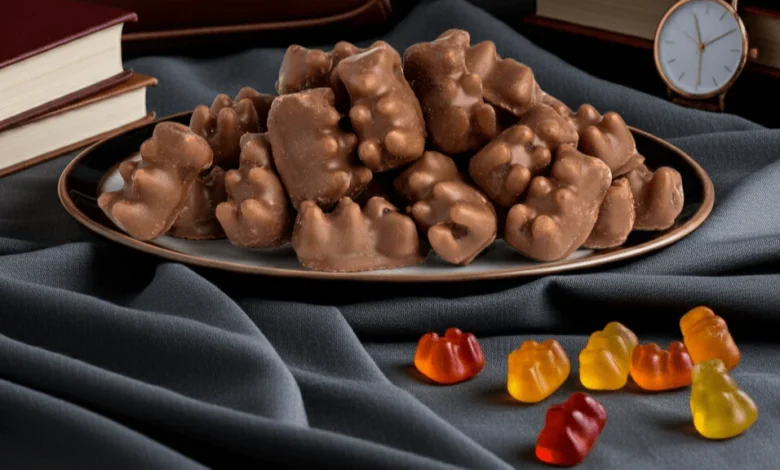
Introduction to Gummy Bears
Gummy bears are more than just colorful, chewy candies—they are a global phenomenon that has captured hearts across generations. From childhood lunchboxes to movie theater snacks, these tiny, bear-shaped treats have maintained a strong presence in the confectionery world. What makes gummy bears so universally appealing is their perfect balance of sweetness, texture, and playful design. They’re simple, yet endlessly enjoyable.
The origins of gummy bears date back to early 20th-century Germany, where confectionery innovation was flourishing. The idea was to create a candy that wasn’t just tasty but also visually engaging. This combination proved to be incredibly successful, turning into one of the most recognizable candies worldwide.
Today, come in countless flavors, colors, and even textures. While the classic versions remain popular, modern variations include sour gummy bears, organic options, and even vitamin-infused versions. Despite these innovations, the core appeal remains the same: a chewy, fruity delight that delivers happiness in every bite.
The History and Origin of Gummy Bears
The story of begins with Hans Riegel, a German candy maker who founded Haribo in 1920. Inspired by trained dancing bears he saw at festivals, Riegel created the first gummy candy in the shape of a bear in 1922. These early versions were called “Dancing Bears” and were slightly larger and less refined than today’s gummiesAt the time, the candy industry was still experimenting with gelatin-based sweets. Riegel’s innovation was combining gelatin with fruit flavors and sugar to create a chewy texture that stood out from traditional hard candies. This unique consistency quickly gained popularity, especially among childrenAs Haribo expanded beyond Germany, gummy bears spread across Europe and eventually the rest of the world. By the late 20th century, gummy bears had become a staple in global candy markets. Their success also inspired countless imitations and variations, making them a cornerstone of modern confectionery.
What Are Gummy Bears Made Of?
At their core, are made from a relatively simple set of ingredients. The primary components include gelatin, sugar, glucose syrup, flavorings, and colorings. Gelatin is the key ingredient that gives gummy bears their signature chewy texture. It is derived from collagen, typically sourced from animal byproducts, which may be a consideration for vegetarians and vegans.
Sugar and glucose syrup provide the sweetness and structure, while natural or artificial flavorings give \ their fruity taste. Common flavors include strawberry, orange, lemon, pineapple, and raspberry. Food coloring is used to differentiate flavors visually, making gummy bears as appealing to the eye as they are to the taste buds.
In recent years, manufacturers have introduced alternatives to traditional gelatin. Plant-based substitutes like pectin and agar-agar are used to create vegan-friendly These versions maintain a similar texture while catering to dietary preferences, expanding the candy’s accessibility to a broader audience.
The Manufacturing Process
The production of gummy bears is a fascinating blend of science and artistry. It begins with heating and mixing the core ingredients—gelatin, sugar, and glucose syrup—into a thick liquid solution. This mixture is then flavored and colored according to the desired variety.
Next, the liquid is poured into molds shaped like bears. Traditionally, these molds are made from starch trays, which help absorb moisture and maintain the candy’s shape. The filled molds are left to cool and set, allowing the gelatin to solidify and create the chewy texture.
Once set, the gummy bears are removed from the molds, polished with a light coating of oil or wax to prevent sticking, and packaged for distribution. Despite being mass-produced, each gummy bear goes through a precise process to ensure consistency in taste and texture.
Popular Brands and Variations
While Haribo remains the most iconic name associated with gummy bears, many other brands have entered the market. Companies like Albanese Confectionery and Trolli have introduced their own versions, often experimenting with unique flavors and textures.
One of the most popular variations is sour , which are coated in a tangy sugar layer for an extra kick. There are also sugar-free options designed for those monitoring their sugar intake, though these can sometimes have a different texture and taste.
Beyond traditional flavors, modern gummy bears now include exotic options like mango, passionfruit, and even cola. Some brands have taken creativity further by producing giant or themed versions for holidays and special events. This constant innovation keeps the category fresh and exciting.
Nutritional Value and Health Considerations
Gummy bears are undeniably delicious, but they are also a form of candy, meaning they should be consumed in moderation. They are primarily composed of sugar, which provides quick energy but little nutritional value. A typical serving contains calories mainly from carbohydrates, with minimal protein and virtually no fat.
However, do contain small amounts of gelatin, which has been associated with certain health benefits, such as supporting joint health and skin elasticity. That said, the quantity in a serving of gummy bears is too low to have a significant impact.
Sugar-free gummy bears are often marketed as a healthier alternative, but they come with their own considerations. These versions frequently use sugar alcohols like maltitol, which can cause digestive discomfort if consumed in large quantities. As with any treat, balance is key.
Cultural Impact and Popularity
Gummy bears have transcended their role as simple candy to become a cultural icon. They appear in movies, television shows, and even music. One notable example is the catchy “Gummy Bear Song,” which gained massive popularity online and introduced the candy to a new generation.
Their appeal lies in their playful design and universal accessibility. Unlike many sweets that are tied to specific regions, are enjoyed worldwide. They are often associated with fun, nostalgia, and childhood memories, making them a favorite across age groups.
In addition to entertainment, gummy bears have found their way into culinary creativity. Chefs and home cooks alike use them as toppings, mix-ins, or even decorative elements in desserts. Their versatility ensures they remain relevant in both traditional and modern food culture.
Gummy Bears in Modern Trends
In today’s market, gummy bears are evolving to meet changing consumer preferences. Health-conscious buyers have driven demand for organic, low-sugar, and vegan options. As a result, many brands now offer products made with natural ingredients and reduced artificial additives.
Another emerging trend is functional , which combine candy with supplements. These include vitamin gummies, collagen-infused gummies, and even CBD-infused varieties in some regions. While these products blur the line between candy and wellness, they highlight the adaptability of the gummy format.
Social media has also played a significant role in the resurgence of gummy bears. Viral videos featuring giant , unusual flavors, or creative recipes continue to capture attention and keep the candy in the spotlight.
Why Gummy Bears Remain Timeless
The enduring popularity of can be attributed to their simplicity and adaptability. They offer a sensory experience that combines taste, texture, and visual appeal. Few candies manage to strike this balance as effectively.
Another key factor is nostalgia. For many people, gummy bears are tied to fond childhood memories. This emotional connection keeps them relevant even as new candies enter the market. At the same time, ongoing innovation ensures they continue to attract new audiences.
Finally, gummy bears are incredibly versatile. Whether enjoyed as a quick snack, used in baking, or shared at celebrations, they fit seamlessly into a variety of contexts. This flexibility has allowed them to remain a staple in the ever-changing world of confectionery.
Conclusion
Gummy bears are a perfect example of how a simple idea can evolve into a global sensation. From their origins in Germany to their status as a worldwide favorite, they have stood the test of time through innovation and universal appeal. Their chewy texture, vibrant colors, and fruity flavors make them irresistible to people of all ages.