Introduction to Buster Welch
Few names in the world of Western horsemanship carry the same weight as Buster Welch. Known for his unmatched skill, quiet confidence, and revolutionary influence on the cutting horse industry, Welch became a living legend long before his passing. His story is not just about winning competitions—it’s about redefining what it means to work in harmony with a horse.
Born in the rugged landscapes of Texas, Buster Welch grew up immersed in ranch life, where horses were not a luxury but a necessity. From a young age, he developed an intuitive understanding of livestock and horsemanship. That early exposure shaped his philosophy: a great horseman doesn’t dominate the horse but partners with it.
Throughout his career, Welch earned a reputation as a master trainer and competitor. His name became synonymous with excellence in the cutting horse world. More importantly, he influenced generations of riders and trainers who continue to apply his techniques today.
Early Life and Humble Beginnings
Buster Welch was born in 1928 in Sterling City, Texas, a place where ranching culture runs deep. Growing up during the Great Depression, life was far from easy. His family didn’t have much, but what they lacked in wealth, they made up for in resilience and hard work. Horses were a central part of daily life, and young Buster quickly learned how to ride, handle cattle, and understand animal behavior.
His early years were spent working on ranches, performing tasks that demanded both physical endurance and mental sharpness. These experiences weren’t glamorous, but they were invaluable. Welch learned how to read cattle movements, anticipate behavior, and Buster Welch maintain control in unpredictable situations. These skills later became the foundation of his cutting horse expertise.
Unlike many modern riders who train in structured environments, Welch’s education came directly from the land. Every mistake had consequences, and every success reinforced his instincts. This raw, hands-on learning shaped his authentic and practical approach to horsemanship.
The Rise of a Cutting Horse Legend
The turning point in Welch’s career came when he entered the competitive cutting horse arena. Cutting is a specialized discipline where a horse and rider separate a single cow from a herd and prevent it from returning. It requires precision, timing, and an almost telepathic connection between horse and rider.
Welch quickly made a name for himself due to his unique riding style. He emphasized letting the horse do the work, guiding subtly rather than forcing control. This approach allowed his horses to think independently, resulting in smoother and more effective performances.
By the 1950s and 1960s, Buster Welch had become one of the most respected figures in the sport. He won numerous championships and gained recognition from organizations like the National Cutting Horse Association. His success wasn’t just about winning—it was about consistency and innovation.
Signature Training Philosophy
One of the most defining aspects of Buster Welch’s legacy is his training philosophy. Unlike rigid training methods that rely heavily on control and repetition, Welch believed in developing a horse’s natural instincts. He often said that a good cutting horse should “want” to work cattle, not be forced into it.
His approach focused on patience, observation, and subtle communication. Rather than overtraining, he encouraged riders to allow horses to learn through experience. This built confidence and responsiveness, qualities that are essential in high-pressure competition.
Welch also emphasized the importance of timing. Knowing when to cue a horse—and when to stay out of its way—was critical. This level of precision required not only skill but also trust between horse and rider. It’s a philosophy that continues to influence trainers across the globe.
Partnership with Legendary Horses
No great horseman achieves success alone, and Buster Welch worked with some of the most iconic cutting horses in history. Among them was Little Peppy, a horse that became synonymous with Welch’s success.
Little Peppy, along with other remarkable horses like Peppy San, showcased Welch’s ability to bring out the best in his equine partners. These horses were not just athletes—they were collaborators in a finely tuned performance.
Welch’s ability to match his training style with each horse’s personality set him apart. He didn’t believe in a one-size-fits-all approach. Instead, he adapted his methods to suit the individual horse, ensuring optimal performance and longevity.
Achievements and Hall of Fame Recognition
Buster Welch’s list of achievements is nothing short of extraordinary. Over his career, he earned multiple championships and accolades, solidifying his place as one of the greatest cutting horse trainers of all time.
He was inducted into the American Quarter Horse Hall of Fame and the NCHA Hall of Fame, honors reserved for individuals who have made significant contributions to the industry.
Beyond awards, Welch’s influence can be seen in the continued evolution of cutting horse techniques. Many of today’s top trainers credit him as a major inspiration. His methods have become a benchmark for excellence in the sport.
Influence on Modern Horsemanship
Even decades after his peak competitive years, Buster Welch’s influence remains deeply embedded in modern horsemanship. Trainers and riders across the world study his techniques, often referring to his methods as the gold standard in cutting.
His emphasis on partnership rather than dominance has reshaped how people approach horse training. This shift has led to more humane and effective practices, benefiting both horses and riders.
Welch’s teachings have also extended beyond cutting. Disciplines such as reining and ranch riding have adopted elements of his philosophy, demonstrating the versatility and timelessness of his approach.
Life Beyond the Arena
While Buster Welch was best known for his competitive achievements, his life beyond the arena was equally meaningful. He spent much of his later years on his ranch, sharing his knowledge with aspiring riders and trainers.
Welch became a mentor to many, offering guidance not just on riding techniques but also on mindset and discipline. His wisdom extended beyond horses, touching on values like patience, respect, and perseverance.
Despite his legendary status, Welch remained grounded. He often credited his success to hard work and the lessons he learned growing up. This humility made him not just a great horseman, but also a respected figure in the broader ranching community.
Cultural Impact and Media Appearances
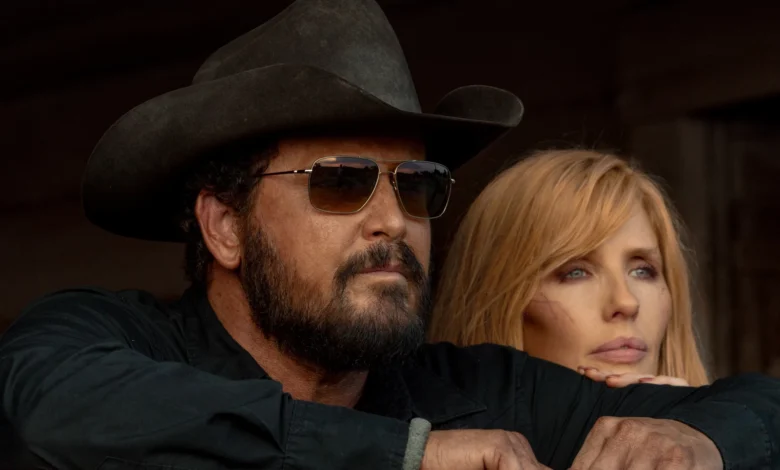
Buster Welch’s influence reached beyond the equestrian world into popular culture. He even made a memorable appearance in the hit TV show Yellowstone, where he played himself. This cameo introduced him to a new generation of viewers who may not have been familiar with cutting horse history.
His presence in the show added authenticity and highlighted the deep-rooted traditions of ranch life. It also served as a reminder of the real-life legends who shaped the Western lifestyle depicted on screen.
Through media appearances and interviews, Welch helped bring attention to the art of cutting and the importance of preserving its traditions. His ability to connect with audiences made him a true ambassador for the sport.
Lessons from Buster Welch’s Career
There’s a lot to learn from Buster Welch’s journey, whether you’re a horse enthusiast or not. One of the most important lessons is the value of patience. Welch didn’t rush success; he built it over time through consistent effort and learning.
Another key takeaway is the importance of adaptability. Welch’s ability to adjust his methods based on the horse and situation allowed him to achieve remarkable results. This flexibility is a valuable trait in any field.
Finally, his emphasis on partnership serves as a powerful reminder that success often comes from collaboration rather than control. Whether working with animals or people, mutual respect and understanding can lead to extraordinary outcomes.
The Enduring Legacy of a Cowboy Icon
Buster Welch passed away in 2022, but his legacy continues to live on. His contributions to the cutting horse industry have left an indelible mark, influencing countless riders and trainers.
Today, his name is still spoken with reverence in arenas and ranches around the world. His techniques are studied, his stories are shared, and his impact remains as strong as ever.
More than just a champion, Buster Welch was a pioneer who changed the way people think about horsemanship. His life serves as a testament to the power of dedication, intuition, and respect for the natural abilities of both horse and rider.
Conclusion
Buster Welch wasn’t just a skilled rider—he was a visionary who transformed the cutting horse industry. From his humble beginnings in Texas to his rise as a global icon, his journey is both inspiring and instructive.