Introduction to Viltnemnda
If you’ve ever explored how wildlife is managed in Norway, you’ve probably come across the term Viltnemnda. At first glance, it might sound like a technical or bureaucratic concept, but in reality, it represents a deeply rooted and practical approach to wildlife governance. Viltnemnda, which translates roughly to “wildlife board” or “game committee,” operates at the municipal level and plays a key role in balancing conservation, hunting, and local interests.
Norway is known for its pristine natural landscapes, diverse ecosystems, and strong environmental policies. Managing wildlife in such a setting is no small task. The country must ensure that animal populations remain stable while also allowing for regulated hunting, preventing human-wildlife conflict, and preserving biodiversity. This is where Viltnemnda comes into the picture as a local authority with significant responsibilities.
What makes Viltnemnda particularly interesting is its localized structure. Rather than relying solely on national-level decisions, Norway empowers municipalities to take part in wildlife management. This decentralized system ensures that decisions are made with a strong understanding of local ecosystems, cultural practices, and environmental conditions.
The Role and Responsibilities of Viltnemnda
Viltnemnda serves as a municipal advisory and decision-making body focused on wildlife management. Its primary responsibilities revolve around regulating hunting, monitoring wildlife populations, and ensuring that national environmental laws are effectively implemented at the local level.
One of the key functions of Viltnemnda is to determine hunting quotas for various species. These quotas are not arbitrary; they are based on scientific data, population studies, and ecological considerations. For example, if a particular species is thriving, the board may allow a higher hunting quota. Conversely, if numbers are declining, stricter limits—or even complete bans—may be imposed.
Another critical responsibility involves addressing human-wildlife conflicts. In rural and semi-urban areas, interactions between humans and animals such as moose, deer, or even predators can lead to safety concerns or property damage. Viltnemnda works to mediate these issues by implementing strategies that protect both people and wildlife.
Additionally, Viltnemnda plays an educational role. It helps inform local communities about sustainable hunting practices, conservation efforts, and wildlife behavior. By doing so, it fosters a sense of shared responsibility among residents, hunters, and landowners.
Structure and Composition of Viltnemnda
Viltnemnda is typically composed of members appointed by the municipal council. These members often include individuals with diverse backgrounds, such as hunters, farmers, environmentalists, and local officials. This diversity ensures that decisions are balanced and consider multiple perspectives.
The board usually operates under the framework of national legislation, particularly Norway’s Wildlife Act. While it has a degree of autonomy, it must still align its decisions with broader environmental policies and regulations set by the government. This dual structure allows for flexibility while maintaining consistency across the country.
Meetings are held regularly, especially during hunting seasons or when significant wildlife-related issues arise. During these meetings, members review data, discuss concerns, and make decisions that directly impact local wildlife management. Transparency and accountability are key aspects of these proceedings.
An interesting aspect of Viltnemnda’s structure is its emphasis on collaboration. The board often works closely with environmental agencies, research institutions, and neighboring municipalities. This cooperative approach helps ensure that wildlife management strategies are effective and scientifically sound.
The Importance of Localized Wildlife Management
One of the defining features of Viltnemnda is its focus on local decision-making. Unlike centralized systems, where policies are dictated from the top down, Viltnemnda allows communities to have a direct say in how their natural resources are managed.
This localized approach has several advantages. First, it ensures that decisions are tailored to the specific needs and conditions of each area. Norway’s landscapes vary significantly—from coastal regions to mountainous terrains—and wildlife populations differ accordingly. A one-size-fits-all policy would not be effective in such a diverse environment.
Second, local involvement increases accountability and engagement. When people feel that they have a voice in decision-making, they are more likely to support and adhere to regulations. This is particularly important in hunting, where compliance with rules is essential for sustainability.
Finally, localized management fosters a deeper connection between communities and their environment. By participating in wildlife governance, residents develop a greater appreciation for nature and the importance of conservation.
Hunting Regulations and Sustainability
Hunting is an integral part of Norwegian culture, and Viltnemnda plays a crucial role in ensuring that it is conducted sustainably. The board establishes guidelines for hunting seasons, permissible methods, and quotas, all of which are designed to maintain ecological balance.
Sustainability is at the heart of these regulations. Overhunting can lead to population declines, while under-regulation can result in overpopulation and environmental damage. Viltnemnda carefully monitors these dynamics to strike the right balance.
The board also considers ethical aspects of hunting. This includes promoting humane practices, ensuring that hunters are properly trained, and enforcing rules that minimize animal suffering. Such measures reflect Norway’s commitment to responsible wildlife management.
Moreover, Viltnemnda collaborates with hunters and landowners to collect data on wildlife populations. This information is invaluable for making informed decisions and adjusting policies as needed. It’s a system that relies on cooperation and mutual trust.
Addressing Human-Wildlife Conflicts
As human populations expand and natural habitats change, conflicts between people and wildlife are becoming more common. Viltnemnda plays a vital role in managing these situations effectively and responsibly.
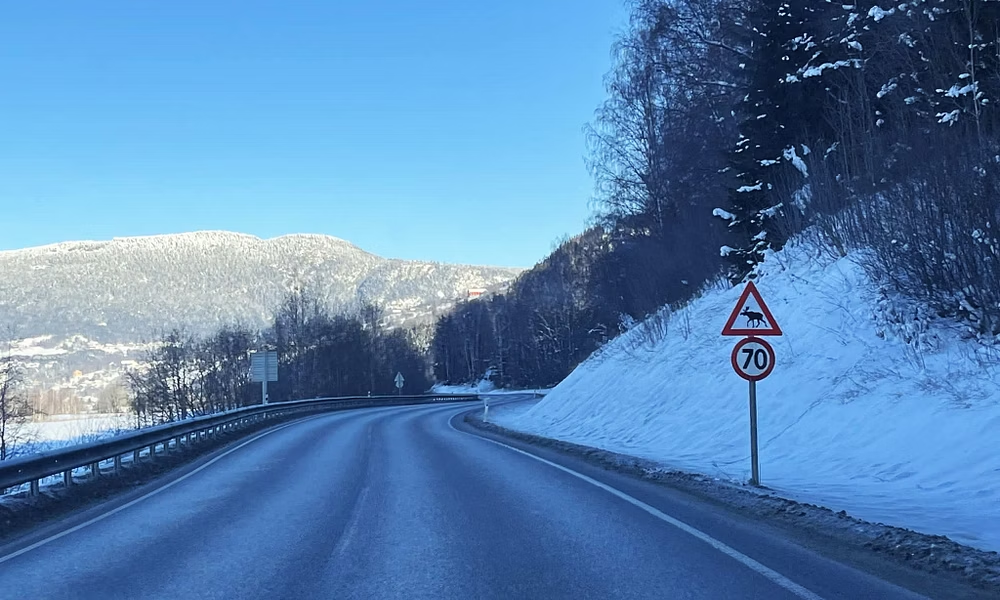
Common issues include crop damage caused by deer or moose, livestock predation by carnivores, and road accidents involving wildlife. Each of these challenges requires a tailored approach, and Viltnemnda is responsible for developing and implementing solutions.
For instance, the board may authorize controlled hunting to reduce populations in areas where animals pose a risk. It may also recommend preventive measures, such as fencing or habitat modifications, to minimize conflicts.
Importantly, Viltnemnda strives to balance the needs of humans with the rights of wildlife. Rather than resorting to drastic measures, it emphasizes coexistence and long-term solutions. This approach reflects a broader philosophy of harmony between humans and nature.
Legal Framework and Governance
Viltnemnda operates within a well-defined legal framework that ensures consistency and accountability. The primary legislation governing its activities is Norway’s Wildlife Act, which outlines the principles and guidelines for wildlife management.
This legal structure provides Viltnemnda with the authority to make decisions while also setting clear boundaries. For example, the board must adhere to national conservation goals and cannot implement policies that conflict with broader environmental objectives.
In addition to national laws, Viltnemnda must also consider international agreements related to biodiversity and conservation. Norway is a signatory to several such agreements, and these commitments influence local wildlife management practices.
Governance is further strengthened by oversight mechanisms. Decisions made by Viltnemnda can be reviewed by higher authorities, ensuring that they are fair, transparent, and in line with legal requirements. This system of checks and balances is essential for maintaining public trust.
Challenges Facing Viltnemnda
Despite its effectiveness, Viltnemnda faces several challenges in today’s rapidly changing world. One of the most significant issues is climate change, which is altering ecosystems and affecting wildlife behavior and distribution.
As temperatures rise and habitats shift, traditional management strategies may no longer be sufficient. Viltnemnda must adapt to these changes by incorporating new data and adopting innovative approaches to conservation.
Another challenge is balancing competing interests. Farmers, hunters, environmentalists, and urban residents may have differing views on wildlife management. Navigating these perspectives requires careful consideration and diplomacy.
Additionally, technological advancements are transforming how wildlife is monitored and managed. While these tools offer new opportunities, they also require training and resources. Viltnemnda must keep pace with these developments to remain effective.
The Future of Viltnemnda
Looking ahead, Viltnemnda is likely to play an even more important role in wildlife management. As environmental concerns continue to grow, the need for localized, informed decision-making will become increasingly critical.
One potential area of development is the integration of advanced technologies, such as GPS tracking and data analytics. These tools can provide more accurate insights into wildlife populations and behavior, enabling better decision-making.
Public engagement is also expected to increase. As awareness of environmental issues grows, more people will want to participate in wildlife governance. Viltnemnda can serve as a platform for this involvement, fostering collaboration and shared responsibility.
Ultimately, the future of Viltnemnda will depend on its ability to adapt and innovate. By staying true to its core principles while embracing new ideas, it can continue to be a model for sustainable wildlife management.
Conclusion
Viltnemnda represents a unique and effective approach to wildlife management, combining local knowledge with national oversight. Its role in regulating hunting, addressing conflicts, and promoting sustainability makes it an essential part of Norway’s environmental framework.